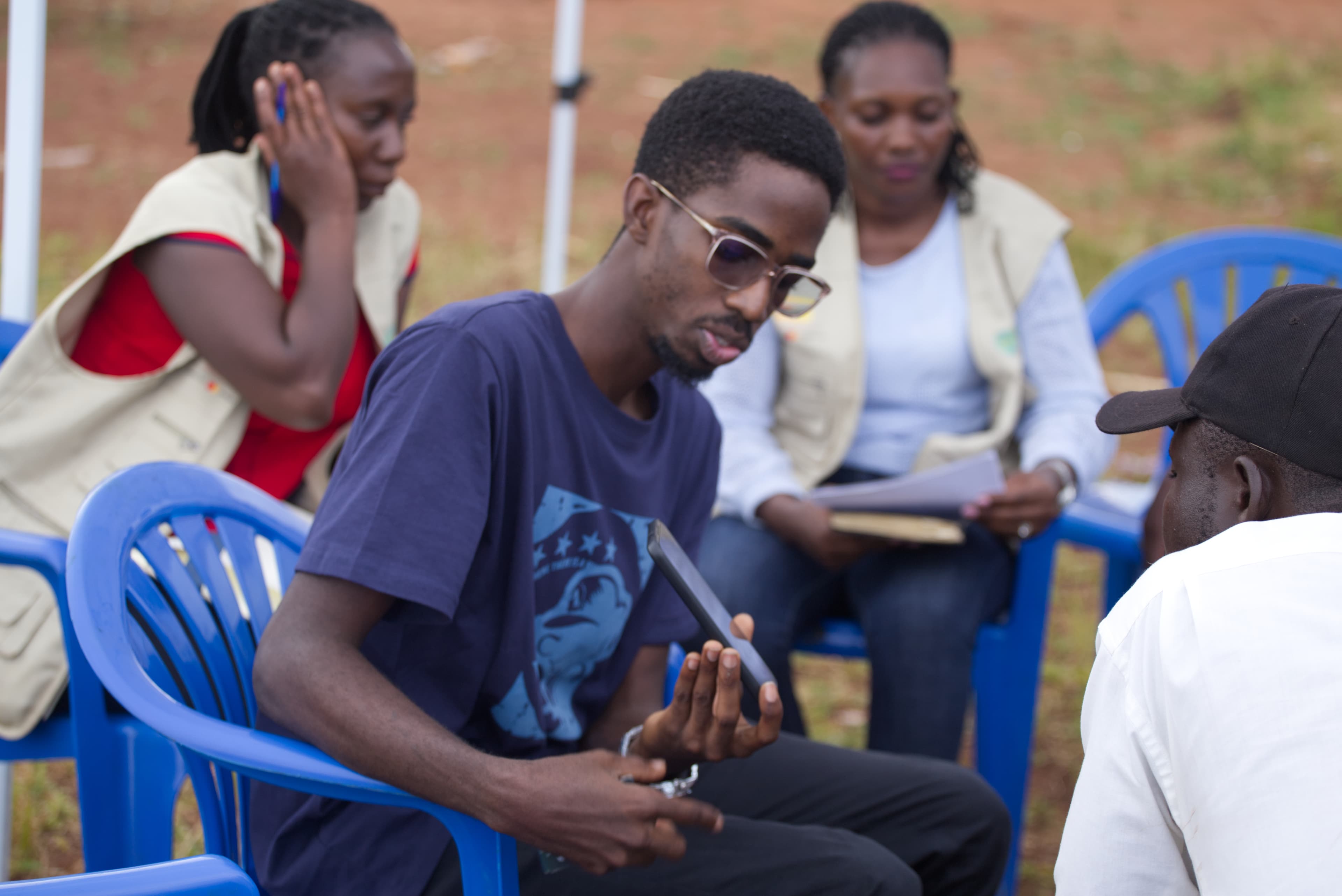
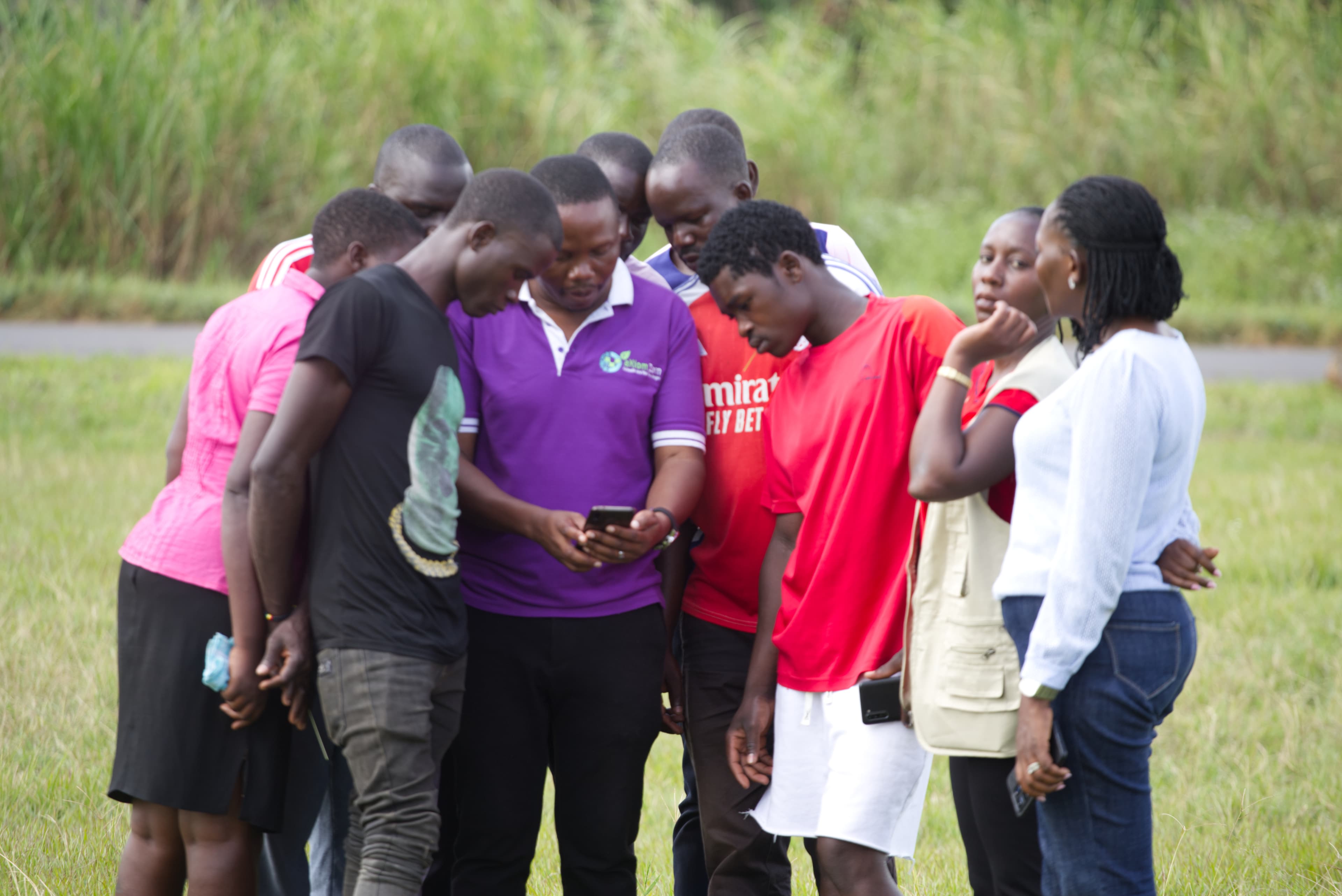
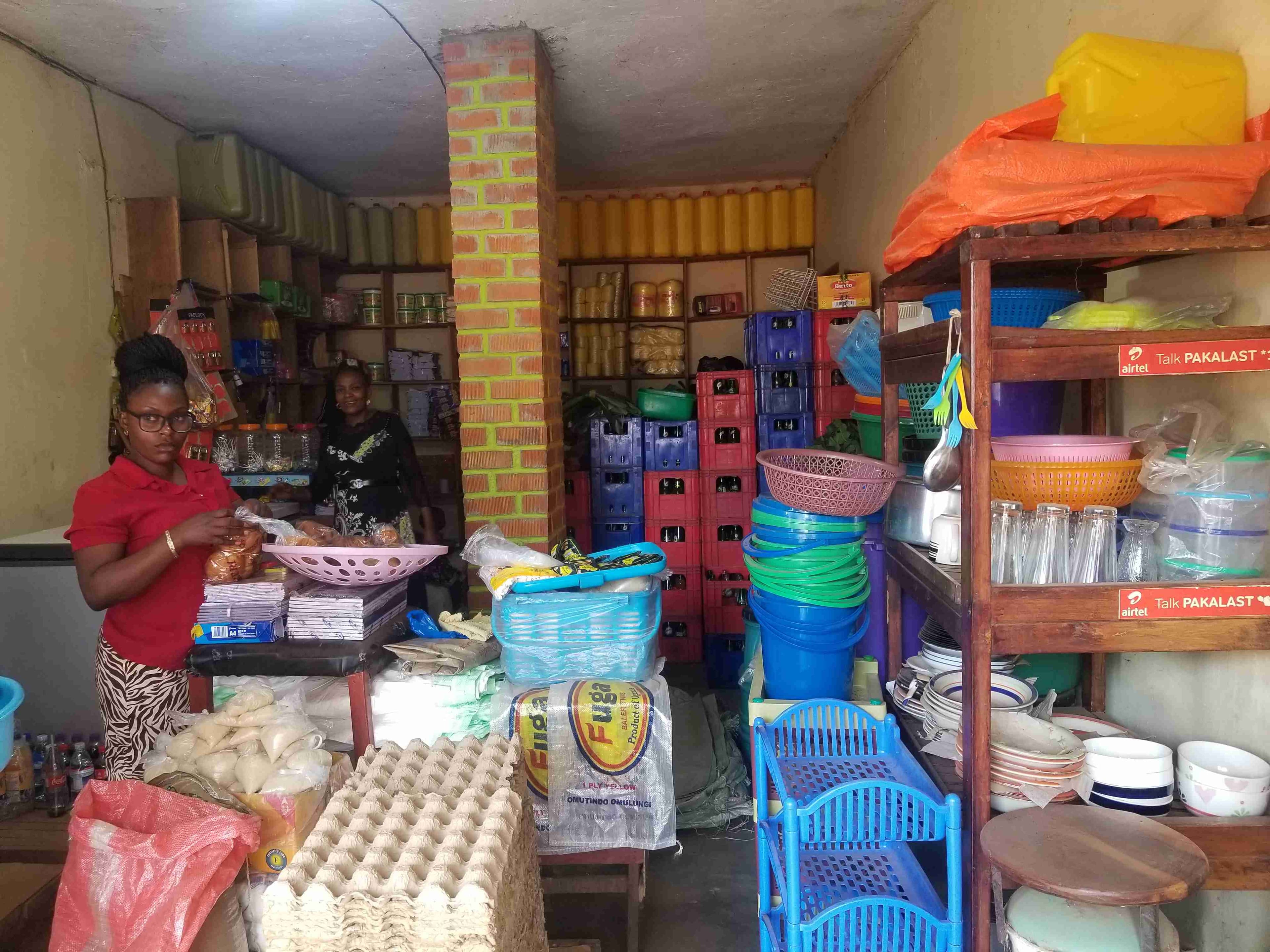
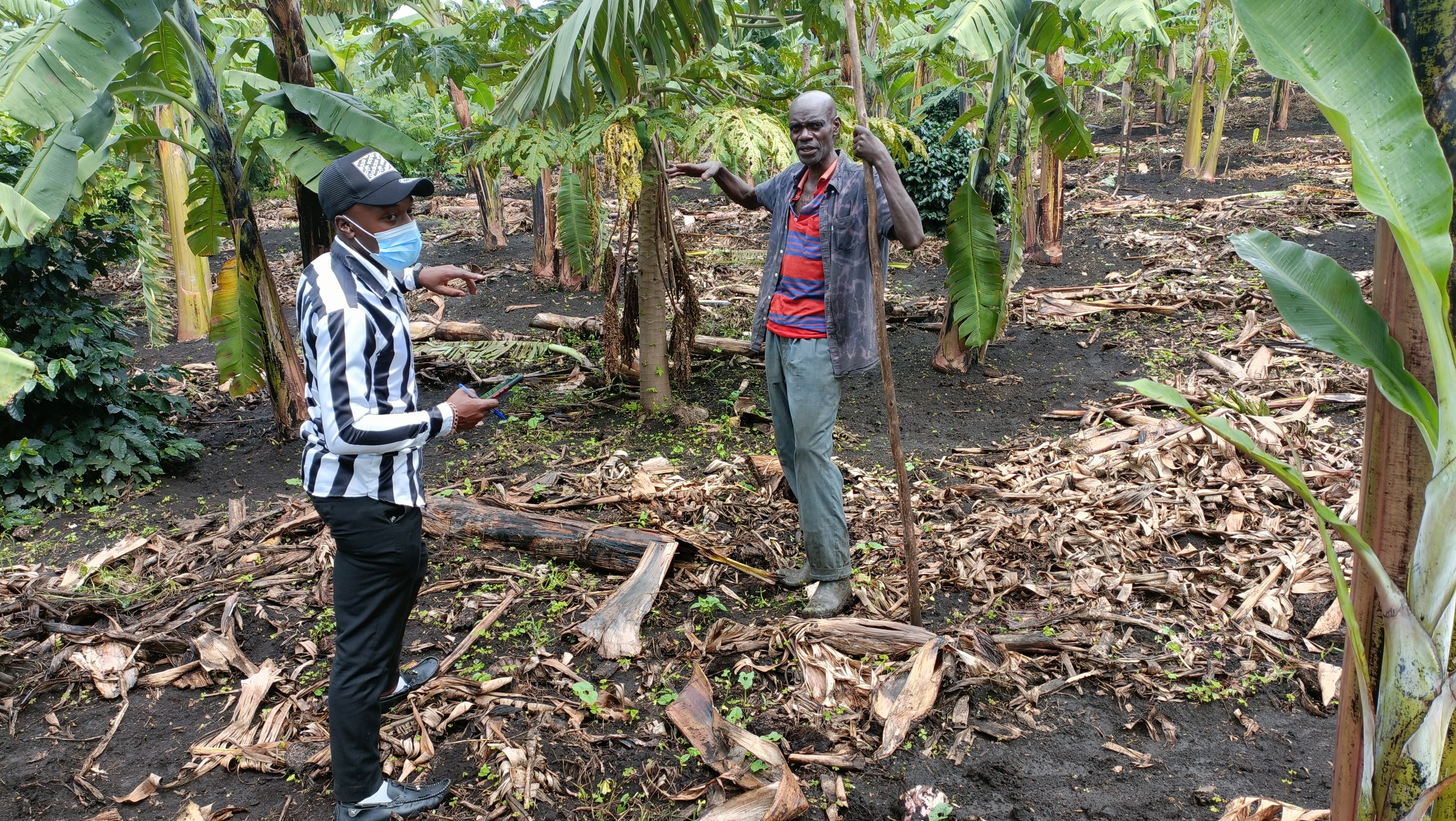
Under the financial inclusion component of DARB, farmers are profiled, collecting information like; Biodata, production data, household economic data, social economic data, data on information access among others is collected to enable farmers, get credit support and benefit from other financial services from the financial institutions. Data collection enables the following;
• Verifying the borrower’s (farmer) identity (“Know Your Customer”)
• Knowing the resources at their disposal including land, labor and others that they exploit for their productivity.
• Understanding how the borrower will earn money through their agricultural production to pay back the loan.
• Mitigation of defaulting repayment by understanding the location of the farmer and his farm, and support of self- help groups.
• Mitigating loss if the borrower is unable to earn money as planned.
• Enhance transparency across programme implementation.
The information collected is run through a credit scoring model whose output provides insights of the farmers key areas of strengths and weakness. The profile is then shared with partner financial institutions to support in extension of credit.
An aggregate score can also be generated for all farmers within a defined geographic area.